Cashmere Care Myths vs Facts

Cashmere is often spoken about with a kind of reverence and rightly so. It’s one of the most beautiful natural fibres in the world. But with that reputation comes a long list of myths, half truths and outdated advice that can leave customers confused about how to look after their knitwear properly.
At CH Cashmere, we work directly with yarn suppliers, technicians and finishing specialists every day. This guide brings together real factory knowledge to separate myths from facts, so your cashmere lasts longer, looks better and ages gracefully.

Myth 1: “Cashmere should never be washed.”
Fact: Cashmere needs washing, just not too often.
A gentle wash helps the fibres bloom, softens the hand feel and removes natural oils from wear. What damages cashmere is not washing, but aggressive washing.
CH's advice:
Wash every 5–7 wears.
Use cool water and a mild wool detergent.
Avoid rubbing or wringing, squeeze gently.
Cashmere is a living fibre, it responds well to calm, consistent care.
Myth 2: “Pilling means the cashmere is low quality.”
Fact: All natural fibres pill, even the finest cashmere.
Pilling is simply loose fibres working their way to the surface. High quality yarns pill less, but they still pill. What matters is how easily the pills come off and how the garment behaves afterwards.
CH's advice:
Use a cashmere comb or fabric shaver lightly.
Pills reduce significantly after the first few wears and washes.
Avoid friction: backpacks, rough coats, seatbelts.
Pilling is normal, manageable and not a sign of poor quality.
Myth 3: “Cashmere must be dry‑cleaned.”
Fact: Most cashmere is better off not being dry cleaned.
Dry cleaning solvents can flatten the fibre and remove its natural softness. Hand washing is gentler and preserves the loft of the yarn.
CH's advice: Dry clean only when absolutely necessary, for example, stains that cannot be removed with hand washing.

Myth 4: “Cashmere stretches out permanently.”
Fact: Cashmere is elastic, it can stretch, but it also recovers.
Different stitches behave differently. Rib, tuck and loose gauges will naturally relax with wear, but they return after washing.
CH's advice:
Reshape while damp.
Dry flat.
Never hang cashmere, gravity will win.
A well made cashmere garment is designed to recover.
Myth 5: “Cashmere should be stored folded in any drawer.”
Fact: Cashmere needs protection from humidity, moths and compression.
Storing cashmere incorrectly is one of the biggest causes of damage, more than washing.
CH's advice:
Store folded, not hung.
Use breathable cotton bags.
Add cedar or lavender to deter moths.
Avoid plastic boxes unless they have ventilation.
Cashmere prefers a calm, dry environment.
Myth 6: “All cashmere behaves the same.”
Fact: Fibre length, micron, spinning, ply, gauge and finishing all change how cashmere performs.
A tightly knitted 2 ply 12gg jumper behaves differently from a lofty 1 ply 7gg cardigan. Care needs to match construction.
CH's advice: If in doubt, follow the care label, it’s written based on the exact yarn and finishing used.
Myth 7: “Cashmere is too delicate for everyday wear.”
Fact: Good cashmere is durable, resilient and designed for regular use.
The idea that cashmere is fragile comes from poorly made garments or incorrect care. Properly knitted cashmere is strong, warm and long‑lasting.
CH's advice: Wear it often. Care for it gently. It will reward you.
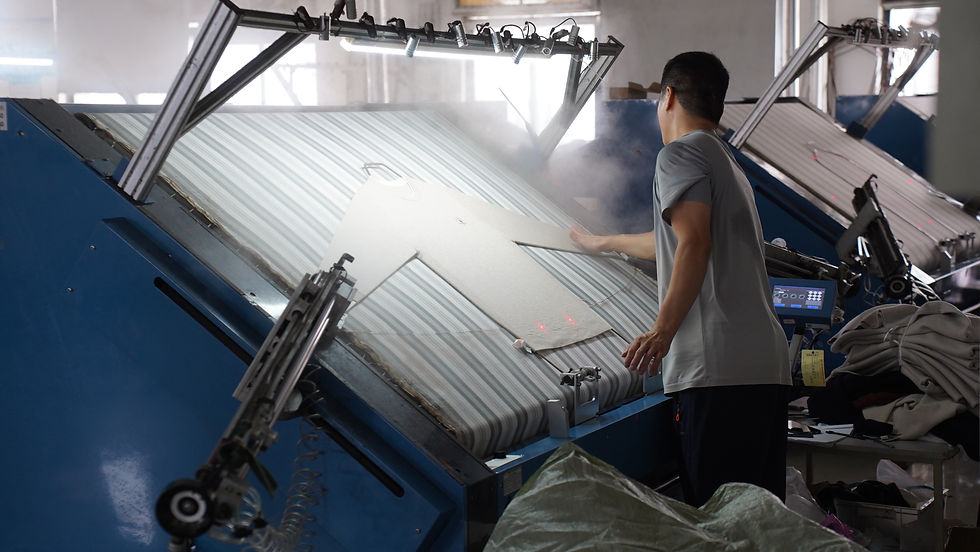
Cashmere is not complicated, it simply needs care that respects the fibre. Most problems come from outdated advice or misunderstandings about how knitwear behaves.
At CH Cashmere, we believe in honest, practical guidance that helps customers enjoy their garments for years. If you’d like to explore more about cashmere quality, production and care, feel free to browse our website: CH Cashmere


Comments