Sustainable Luxury: Why Natural Fibres Pill and How to Care for Them

In the world of sustainable luxury, natural fibres remain unmatched. Cashmere, merino wool, alpaca, yak, and fine cotton offer warmth, softness, breathability, and a tactile comfort that synthetic fibres simply cannot replicate. Yet even the finest natural yarns share one characteristic that often surprises wearers: they pill.
Pilling is not a flaw, nor a sign of inferior quality. In fact, it is a natural and expected part of how genuine fibres behave. Understanding why it happens — and how to care for your garments — helps customers appreciate the beauty of natural materials and enjoy them for many years.
This guide explains the science behind pilling, why it is more common in sustainable fibres, and how simple care habits can keep your knitwear looking its best.

What Exactly Is Pilling?
Pilling refers to the small, soft balls of fibre that form on the surface of a garment. These occur when loose, shorter fibres work their way out of the yarn and tangle together through friction — for example, under the arms, at the sides of a handbag, or where sleeves brush against the body.
It is a natural process, especially in the early life of a garment, and it tends to settle down once the shorter fibres have shed.
Why Natural Fibres Pill More Than Synthetics
Natural fibres are prized for their softness, warmth, and breathability — but these same qualities make them more prone to pilling. Here’s why:
• Fibre Length Matters
Cashmere and merino wool are made from fine, delicate fibres. Even in high‑grade yarns, some shorter fibres remain, and these are the first to migrate to the surface.
• Softer Fibres = More Movement
The softer the fibre, the more easily it shifts during wear. Luxury fibres such as cashmere are exceptionally soft, which means they naturally move and rub more than stiffer synthetics.
• Sustainable Processing Leaves Fibres More Natural
Eco‑friendly spinning and dyeing methods avoid harsh chemical treatments that artificially “fix” fibres in place. This preserves softness and breathability — but also means the garment behaves more naturally.
• No Plastic, No Problem
Synthetic fibres like polyester pill less because they are essentially plastic. They are strong, rigid, and often chemically coated. Natural fibres, by contrast, are organic, breathable, and biodegradable — and therefore more dynamic.
Pilling, in short, is a sign that your garment is made from genuine, natural materials rather than plastic‑based alternatives.

Why Pilling Is Not a Quality Issue
A common misconception is that pilling indicates poor quality.
In reality:
Even the finest Grade‑A cashmere will pill.
High‑twist yarns pill less, but they also feel firmer and less luxurious.
Softer, loftier yarns — the ones customers love most — naturally shed a little at first.
Pilling reduces significantly after the first few wears as loose fibres fall away.
Luxury knitwear behaves like natural wood or leather: it develops character, softens with time, and becomes more beautiful with proper care.
How to Care for Natural Fibres and Reduce Pilling
Caring for natural fibres is simple, and a few thoughtful habits can dramatically reduce pilling.
• 1. Rest Your Knitwear Between Wears
Natural fibres need time to relax. Allowing a garment to rest for 24 hours helps the fibres recover their shape.
• 2. Hand Wash Gently in Cold Water
A gentle hand wash removes loose fibres without stressing the yarn. Use a mild wool detergent and avoid twisting or wringing.
• 3. Avoid Harsh Friction
Cross‑body bags, rough coats, or abrasive surfaces can accelerate pilling. Being mindful of friction helps preserve the surface texture.
• 4. Use a Cashmere Comb or Fabric Shaver
Removing pills is part of normal maintenance — just like polishing leather shoes. A few light strokes restore the garment to a smooth, fresh finish.
• 5. Store Flat, Not Hanging
Hanging can stretch delicate fibres. Fold knitwear neatly and store it in a breathable cotton bag during warmer months.
Sustainable Luxury Means Natural Behaviour
Choosing natural fibres is a conscious decision — one that values comfort, craftsmanship, and environmental responsibility. Pilling is simply part of that story. It reflects the authenticity of the material and the absence of synthetic coatings or chemical stiffeners.
With proper care, natural‑fibre garments last for years, ageing gracefully and becoming softer with every wear. Sustainable luxury is not about perfection; it is about embracing the natural qualities of the fibres and caring for them thoughtfully.
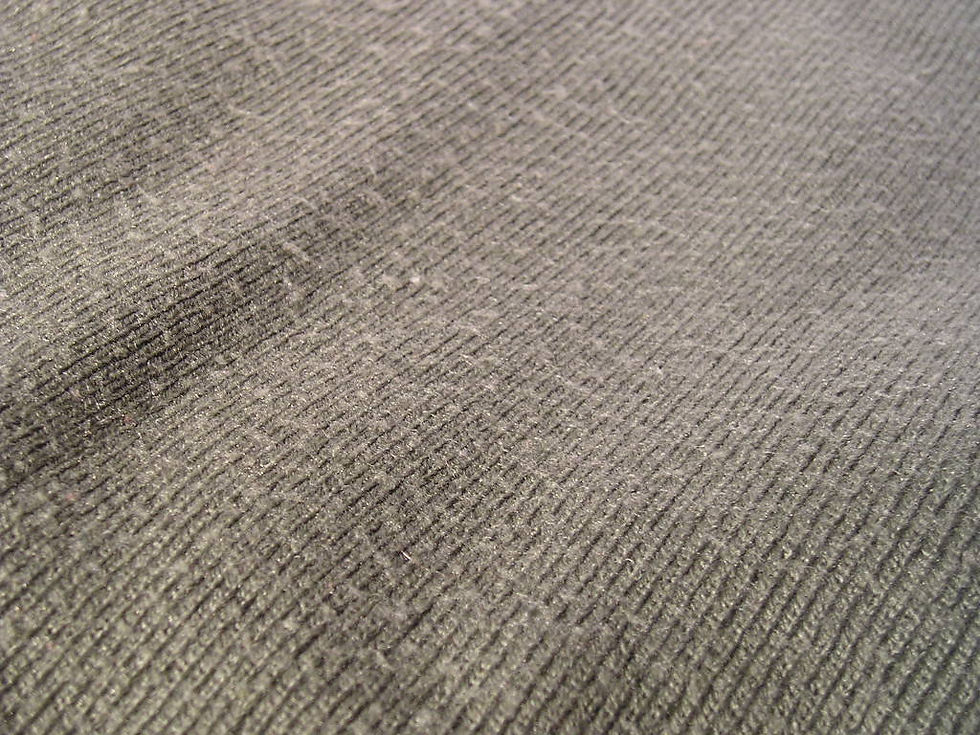
Pilling is not a defect — it is a natural characteristic of genuine, sustainable fibres. By understanding why it happens and how to manage it, customers can enjoy their knitwear with confidence and appreciation.
Natural fibres reward care with longevity, comfort, and timeless elegance. They are living materials, and like all things natural, they respond beautifully to gentle handling.


Comments