Planning Ahead: What Every Brand Should Know About Chinese New Year Closures

Chinese New Year (CNY) is the single most significant holiday across China and much of East Asia, a moment when families reunite, cities empty, and factories fall silent. For the knitwear industry, it is not simply a festive break; it is a complete pause in production that can last several weeks.
For brands working with Chinese manufacturers, understanding how this period affects timelines is essential. With the right preparation, you can avoid delays, protect your launch schedules, and maintain a smooth relationship with your suppliers.
This guide walks you through what really happens behind the scenes, why lead times shift so dramatically, and how to plan ahead with confidence.

Why Chinese New Year Is Such a Major Disruption
Unlike Western holidays, CNY is not a long weekend, it is a nationwide shutdown. Factories close, logistics networks slow down, and workers travel back to their hometowns, often thousands of kilometres away.
Key reasons the impact is so significant
Factories close completely, usually for 2–4 weeks.
Workers travel home early, often leaving 1–2 weeks before the official holiday.
Production resumes slowly, as not all workers return at the same time.
Couriers, yarn suppliers, and dye houses also shut down, creating a chain reaction across the supply network.
Ports and customs experience heavy congestion, especially in the weeks before and after the holiday.
For knitwear factories, which rely heavily on skilled craftsmen, yarn suppliers, and coordinated workflows, this period is particularly sensitive.
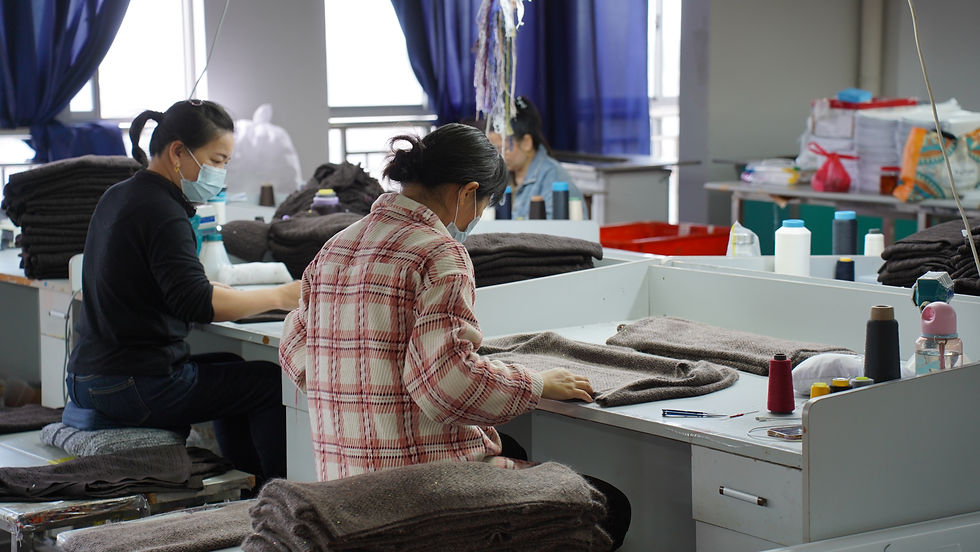
How Chinese New Year Affects Knitwear Lead Times
Lead times don’t simply extend during the holiday itself; they stretch before and after as well. Here’s why.
1. Pre‑holiday rush
Every brand wants their order completed before the break. This creates:
Overloaded workshops
Longer sample queues
Yarn shortages
Delays in pattern making and knitting
Even simple tasks take longer because every supplier in the chain is under pressure.
2. Early worker departures
Many craftsmen leave earlier than expected to secure travel tickets. This means:
Reduced manpower
Slower production
Limited capacity for revisions or urgent orders
3. Post‑holiday restart
Factories don’t return to full speed immediately. Common issues include:
Workers returning late
New staff needing training
Backlog from orders placed before the holiday
Yarn suppliers resuming production at different times
This “restart lag” can last 1–3 weeks.
4. Yarn and material availability
Yarn mills also close, so:
Special colours cannot be dyed
Custom yarns cannot be spun
Stock levels may be low
If your design requires a specific blend or colour, delays can be unavoidable unless planned early.
5. Logistics congestion
Couriers and freight companies face:
Overloaded parcels
Reduced staff
Slower customs clearance
This affects both sample shipments and bulk deliveries.

When Should Brands Start Planning?
A realistic, safe timeline is:
For samples:
Start at least 2–3 months before CNY.
This allows time for:
First sample
Revisions
Yarn sourcing
Final approval
For bulk production:
Confirm orders no later than 8–10 weeks before the holiday.
This ensures:
Yarn can be prepared
Production can be scheduled
Quality checks can be completed
Shipping can be arranged before the rush
If you confirm too close to the holiday, your order may be pushed to after CNY, adding 4–8 weeks to your timeline.

Practical Tips to Stay Ahead
These strategies help brands avoid the seasonal bottleneck:
1. Share your forecast early
Even if you haven’t finalised designs, letting your supplier know your approximate plan helps them reserve capacity.
2. Approve samples promptly
Delays in feedback can push your order into the post‑holiday queue.
3. Confirm colours and yarns early
Custom yarns take time — and mills close early.
4. Avoid last‑minute design changes
Revisions close to CNY often cannot be completed in time.
5. Discuss timelines openly with your supplier
A transparent conversation helps both sides plan realistically.

A Fair and Realistic Perspective
It’s important to remember that CNY is not simply a business interruption, it is a deeply cultural moment. For many craftsmen, this is the only time of year they can return home. Factories close not out of inconvenience, but out of respect for family and tradition.
Brands that plan ahead not only protect their own timelines but also show understanding and respect for the people behind their products. This strengthens long‑term partnerships and ensures smoother production in the future.
Chinese New Year closures are predictable, but the delays they cause can be significant if not managed carefully. With early planning, clear communication, and realistic expectations, brands can navigate this period smoothly.


Comments